
Soon, we may not have to flip a switch, click a mouse, or press a button; we’ll just think it instead. Researchers at Samsung are exploring how people can use their thoughts to interact with a tablet computer. In the near future, you might be using your mind to turn on your computer, launch an app, or send an email.
BCI could be used to eliminate some of the minute activities of daily life, like closing the garage door or starting the car. Instead of “clap on, clap off,” maybe we’ll soon be able to “think on, think off” the lights in our houses. And a BCI system has already been developed that allows people to control an Internet browser with their brainwaves.
Of course, BCI will bring lots of fun to the world. Already, you can buy a BCI game called “Force Trainer,” produced by NeuroSky. To play the game, you wear a headset that senses your brainwaves. Like a Jedi Knight from the “Star Wars” movies, you attempt to lift a ball using only your mind.
They have also developed other games that allow gamers to chase zombies and accomplish a multitude of interactive tasks through the power of concentration. Another company, Emotiv, is looking at how emotions and their resulting brainwaves can interact with games and other exciting virtual experiences.
Currently, BCI research focuses primarily on replacing lost function for those who lack physical abilities. In the future, however, the emphasis may turn to enhancing or supplementing normal function. For example, a simple application might be a BCI device in an automobile that senses when a driver is falling asleep; the driver could then be warned to prevent an accident.
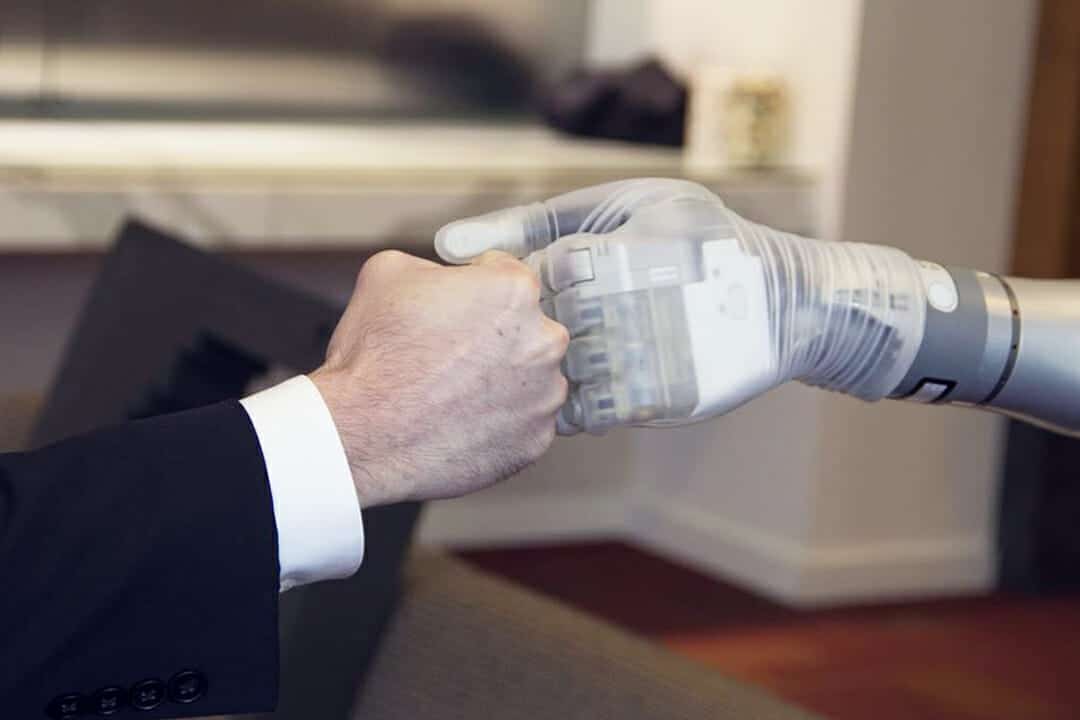
As neuroscientific understanding of the brain increases, it is likely that technology will go far beyond the realm of motor function, perhaps aiding with memory recall, decision-making, and other kinds of cognitive function.
Really, the possible applications for BCI are limited only by the human imagination. Someday, perhaps in the not too distant future, we may have very different ways of interacting with each other as we are assisted and enhanced by computer systems. There is great positive potential in it, as well as some serious ethical concerns to consider.
Whatever the future brings, brain-computer interface is already making its indelible mark on the exciting and ever-expanding worlds of neuroscience and technology.
This article was first published in Brain World Magazine’s Fall 2013 issue.
Related Articles
- Is Your Phone Making You Forgetful? Learning and Memory in the Digital Age
- Know Your Brain: Create Models and Getting A Look Inside
- Like Sightseeing in Paris — A New Model for Brain Communication
- Reading Minds: An Interview with Dr. Adrian Owen
- Total Recall: Marilu Henner Can’t Forget (Even If She Wanted To)
- Where’s My Flying Car? On Science’s So-Called Broken Promises





)
&description=&image=https://brainworldmagazine.com/wp-content/uploads/2018/10/RobotHumanHands-572x381.jpg)