
In the 21st century, our health care professionals have arrived at something of an uncomfortable truce. Medical doctors admit to the value of chiropractic with varying degrees of enthusiasm and/or skepticism, while celebrity advocates of “alternative medicine,” like Dr. Andrew Weil and Dr. Mehmet Oz, receive only occasional derision from the American Medical Association.
Part of the reason for this reluctant acceptance is simple. We’re living in a small world these days. While a mechanistic view may continue to be the preferred Western approach, the lines between East and West are no longer as definite as they once were. What was 50 years ago part of the “far out” counterculture of the beatniks and hippies — yoga, chakra balancing, medicinal herbs, acupuncture, and the like — has become much more mainstream. In fact, the word “wellness,” which connotes a more holistic approach to human health, was not at all common in English usage before the 1950s. At that point, its use increased exponentially, right alongside the soaring interest in Eastern perspectives.
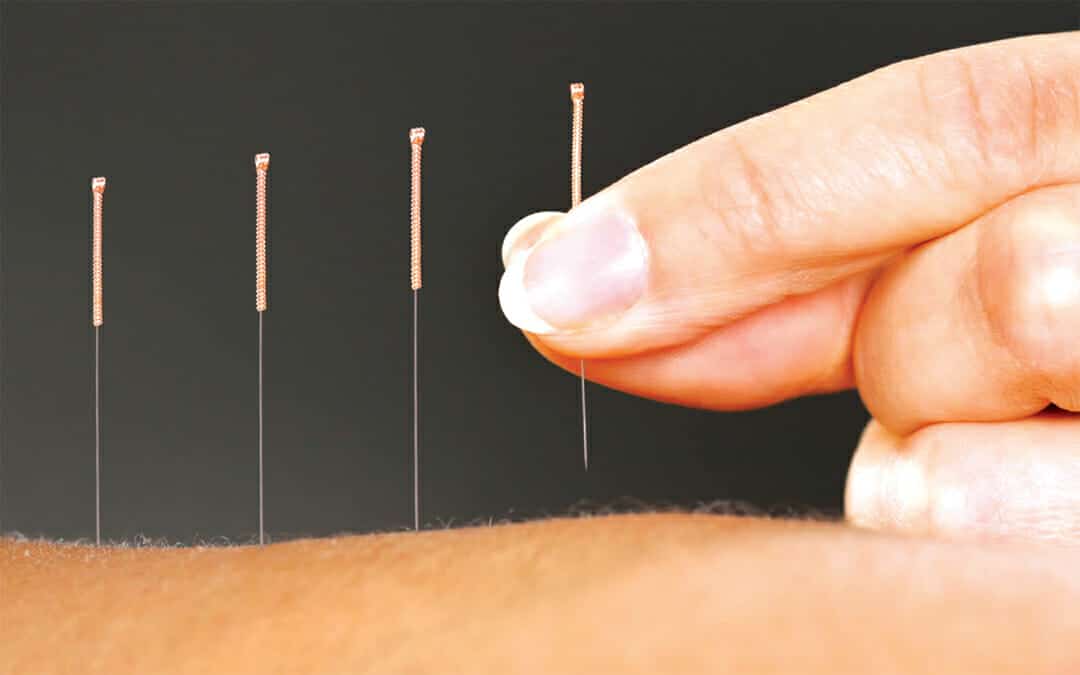
The Eastern take on medicine is essentially a highly developed, holistic view of human health. There are many variations of Eastern medicine in different Asian cultures, but they are all united by the idea of life energy, known as “qi.” This vital life energy is an invisible source of power that runs through our bodies and ties our health to our mind and spirit. As such, there is no concrete separation between mind, body, and soul. Rather than having been discovered through scientific inquiry, the Eastern traditional approach has evolved over thousands of years of observation, trial, and error. Science, however, has confirmed the efficacy of some of its practices, such as acupuncture along with certain Chinese medicinal herbs. They don’t know how all of it works, but they can’t deny that it is effective … at least some of the time.
But what does all of this have to do with the brain? Well, the brain is where holistic and mechanistic views converge. Since all other bodily functions are dependent on the brain, the brain is the single uniting organ — an individual part which is the ultimate unifier of all bodily processes, and the apparent seat of consciousness as well. Previously, Western scientists separated the mind from the body into the dualistic “Cartesian split.”
But the study of the brain will not support such a false dichotomy. Without a shadow of a doubt, neuroscientists know that the mind influences the physical functioning of the brain and vice versa — they can see it right there on the CT scans. And what is the most basic functional element of the brain, the substance that jumps a million times from synapse to synapse every time we form a thought? That’s right … good old bioelectricity. There it is, energy — perhaps a confirmation of the qi life force running along a meridian system.
In discovering what is good for the brain, we are finding out what is good for the body and the spirit. In studying the effects of stress on the brain and body, for example, it has been impossible to separate the processes of our mind from the health of our bodies. And some of the best, scientifically confirmed remedies for our stressed-out brains and bodies have come straight from spiritual practices, as in the case of meditation and yoga, ones which have proven effective for treating issues like post-traumatic stress.
In the future, neuroscience will likely answer questions that we thought science could not answer, questions once thought better left to philosophers and gurus. What will we learn about ourselves in our quest for total wellness? When neuroscientists figure out what’s really going on between our synapses on the quantum level? What will science tell us about how these energies interact with the energies that physicists tell us our entire universe is made out of? Will the gurus be saying, “I told you so,” or will science tell a different story entirely? Only time will tell, and what exciting times those will be.
This article was first published in Brain World Magazine’s Fall 2015 issue.
More From Brain World
- Boost Your Attention by Training Your Brain Waves
- From East to West: Toward Holistic Well-Being
- For Healthier Minds: An Interview with Dr. Jeffrey Borenstein
- How Stress Affects Your Thinking — And How to Address It
- Managing Mental Illness: 7 Natural and Technology-Backed Methods That Work
- On Living Well: 4 Surprising Ways to Increase Your Life Expectancy