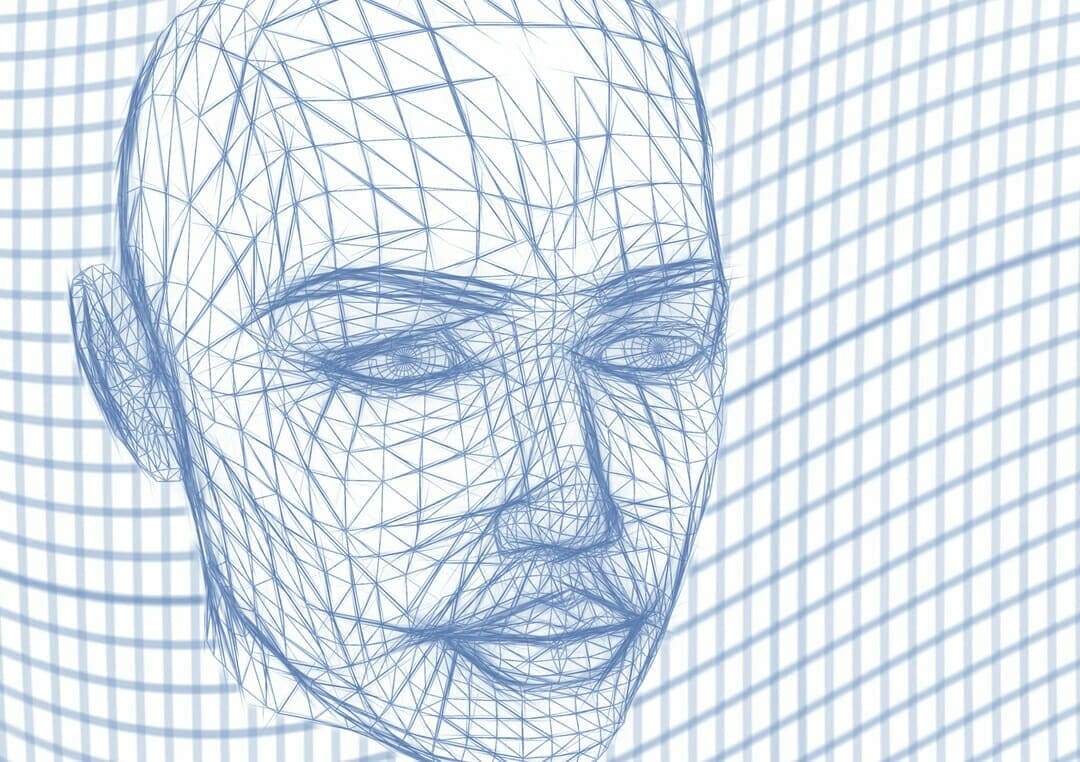

Many neuropsychologists believe that our consciousness is a product of the proper functioning of our brains — with the death of our brains comes the death of our consciousness. This notion falls under the realm of “material science,” where material (i.e., the brain) gives rise to mind and consciousness. However near-death experiences support the notion that consciousness is in fact nonlocal (i.e., not confined to the brain) and that death is only a moment of transition from a temporal consciousness to a timeless experience of it.
This new notion of consciousness has produced an emerging movement called “post-materialist science,” lead by internationally renowned scientists from a variety of scientific fields including biology, neuroscience, psychology, medicine, and psychiatry. Dr. Gary Schwartz — professor of psychology, medicine, neurology, psychiatry, and surgery at the University of Arizona — is one of the pioneering researchers and supporters of post-materialist science.
During a conversation I had with Schwartz at the Spirituality Mind Body Institute at Teachers College, Columbia University, he spoke of how the brain seems to be more like a receiver of consciousness than an actual producer of it. As such, the brain is similar to a TV set. It merely picks up the signal of consciousness and has nothing to do with actually creating it.
Schwartz says, “The claim that staunch materialists would like to make is that near-death experiences can be explained as residual firing of either the cortex or subcortical structures after it has been damaged or the heart stopped. But the problem with that wishful thinking is that all electrical activity ceases within 40 seconds to a minute of the time that blood flow has stopped. There is no evidence of electrical firing of the brain at all.”
Schwartz argues that materialists simply find it impossible to believe that consciousness continues after the brain has stopped functioning, even though new research clearly shows that consciousness survives physical death.
Dr. Pim van Lommel — researcher and retired cardiologist at the Rijnstate Hospital in the Netherlands — investigated near-death experiences in cardiac arrest patients. Of the 344 patients who were successfully resuscitated after suffering cardiac arrest, 41 of them reported undergoing vivid near-death experiences that included out-of-body sensations. The patients were able to describe details of their conditions during their cardiac arrest, despite being clinically dead as indicated by their flatlined brain-stem activity.
Even though these findings clearly point toward the post-materialist notion that consciousness does not solely reside in the brain, van Lommel’s results were critiqued on many grounds.
Dr. Jason Braithwaite — senior lecturer in cognitive neuroscience at University of Birmingham’s Behavioural Brain Sciences Centre — published a critique of van Lommel’s study in the journal Skeptic. In his critique he states how van Lommel and his team misconstrued the dying-brain hypothesis by mistakenly interpreting the flat readings of an electroencephalogram test as correlating directly to “no brain activity.” (Recently, doctors discovered deep-level brain activity in comatose patients.)
Yet, this critique seems weak. Although there may be some brain activity during flatline periods, this insignificant activity would most likely be unable to account for the highly complex thought processes, visions, insights, and sensations that occur during near-death experiences.
Organizations such as the Spirituality Mind Body Institute, labs like the Laboratory for Advances in Consciousness and Health at the University of Arizona, and conferences as for example the American Center for the Integration of Spiritually Transformative Experiences are capturing the minds and hearts of many researchers and health care providers who are beginning to understand the importance of recognizing and allowing near-death experiences to change the current neurophysiological model of consciousness, life, and death.
It seems that both materialists and post-materialists have a long way to go when it comes to understanding what happens when the brain begins to die. Maybe the answer isn’t so elusive, and we will perhaps find it sooner than we think, in this life, or the next.
This article was first published in Brain World Magazine’s Fall 2015 issue.